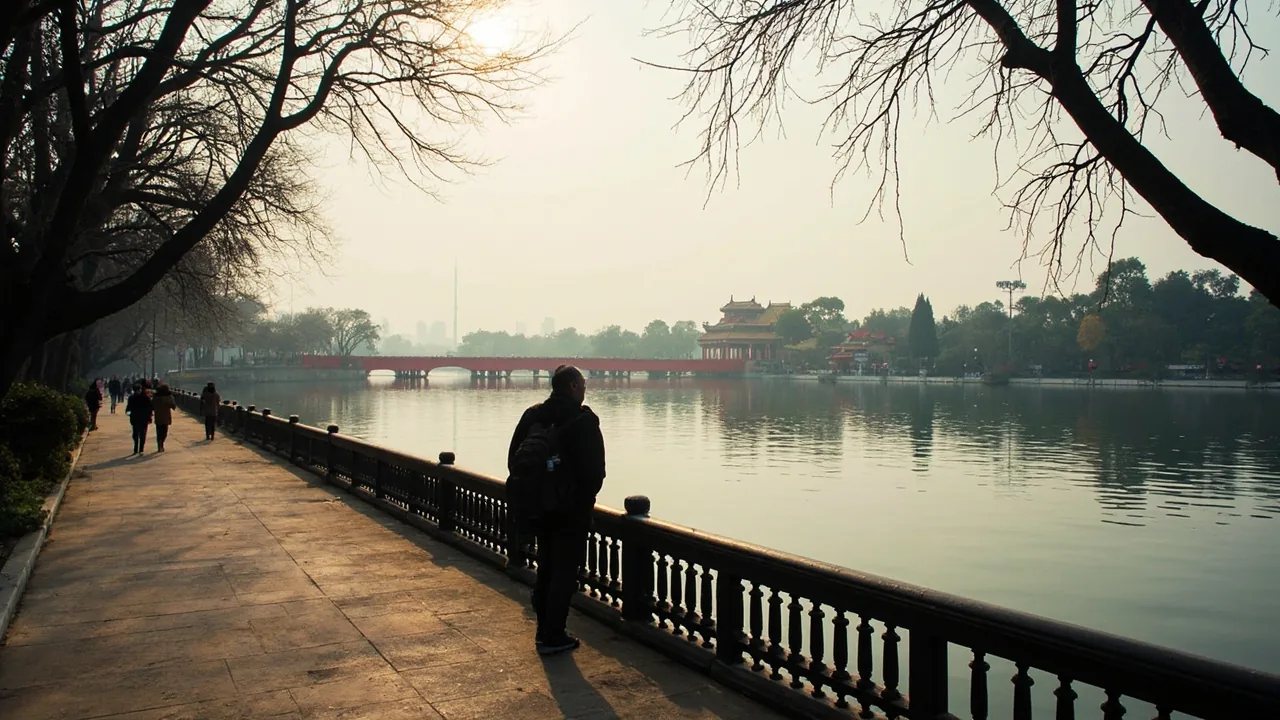
Vietnam in February 2026: Weather, Crowds & Prices Guide
February is one of the two best months to visit most of Vietnam, with dry weather across the centre and south, cool dry nights up north, and (if you time it right) the Lunar New Year rush either just ending or about to begin. Whether February works for your trip depends almost entirely on which week you arrive, because Tet (Vietnamese Lunar New Year) falls in late January or mid-February and reshapes the entire country for 7-10 days. For related planning, see our guide on Sea Backpacking Hub.
This guide breaks down the weather region by region, flags the Tet price spike, and gives Indian backpackers a realistic picture of what to expect on the ground.
Quick Answers
| What | Answer | Price (INR) |
|---|---|---|
| Is February a good time to visit Vietnam? | Yes, except during Tet week (late Jan/early-mid Feb) when prices spike and many shops close | ₹2,400 (~$24.91) |
| What is the weather like in Vietnam in February? | Dry south and centre (24-28°C), cool dry north (15-22°C), occasional drizzle in Hanoi | ₹0 |
| When is Tet 2026? | February 17, 2026 (Year of the Horse); Tet week runs Feb 14-22 | ₹0 |
| How much do hostel dorms cost in February? | ₹661-₹1,322 (~180,000-360,000 VND or ~$6.86-$13.72) in Hanoi, ₹386-₹881 (~105,000-240,000 VND or ~$4-$9.15) in Hoi An | ₹700-₹1,400 (~$7.27-$14.53) |
| Should I book Tet accommodation early? | Yes, 4-6 weeks ahead, popular hostels in HCMC and Hanoi sell out by January | ₹0 |
Month-by-Month Breakdown
February sits at the tail end of Vietnam’s dry season, which runs roughly November through April. Here’s how the months stack up so you can see where February lands.
| Month | Weather | Crowds | Cost Level | Verdict |
|---|---|---|---|---|
| November | Dry, warm south/central; cool north | Medium | Mid (₹₹) | Sweet spot for north, start of season |
| December | Dry everywhere, cooler north | High | Peak (₹₹₹) | Christmas/New Year crowds |
| January | Dry, cold north (10-15°C nights) | Medium | Mid (₹₹) | Great except Tet prep week |
| February | Dry south/central, cool north, Tet spike | Variable | Peak during Tet, mid otherwise (₹₹-₹₹₹) | Excellent except Tet week |
| March | Warming up, dry continues | Medium | Mid (₹₹) | Underrated, fewer crowds |
| April | Hot everywhere, mostly dry | Medium | Mid (₹₹) | Good before May rains |
| May | Rain begins south, still dry north | Low | Budget (₹) | Hit-and-miss |
For a broader view, our Vietnam weather by month and region guide covers every month, and the best month to visit Vietnam hub ranks them all.
Vietnam in February: Pros and Cons
Pros:
- Dry weather across Hoi An, Da Nang, Nha Trang, and Ho Chi Minh City, zero rain days in the south
- Cool, pleasant temperatures in Hanoi and Sapa (15-22°C days, 10-15°C nights)
- February falls in Vietnam’s peak tourism season, so all transport, tours, and infrastructure run at full capacity
- Water clarity for diving is best in February at Nha Trang and Phu Quoc
- Tet decorations and atmosphere are still visible in the first half of the month
Cons:
- Tet (Feb 17, 2026) shuts down large parts of Vietnam for 5-7 days, many shops, restaurants, and hostels close or reduce hours
- Dorm bed prices can triple during Tet week (we saw ₹386 (~105,000 VND or ~$4) beds jump to 350,000+ VND in Hoi An)
- Domestic flights during Tet sell out weeks ahead and prices double or triple
- Cool nights in the north (10-15°C in Hanoi, near freezing in Sapa) catch backpackers packing for tropical weather
- The week before Tet sees heavy domestic travel as Vietnamese return home, so trains and buses book out
The Tet Question
This is the single biggest factor in whether February is good or bad for your trip, and most India-to-Vietnam guides gloss over it. Tet (Tết Nguyên Đán) is Vietnam’s most important holiday. It runs roughly February 14-22 in 2026. Here’s what happens on the ground:
The week before Tet (Feb 10-16): Vietnamese travellers flood airports, train stations, and bus stations heading home. Domestic transport books out and prices 2-3x. If you’re moving between cities this week, book at least 2-3 weeks ahead.
Tet week itself (Feb 17-22): Hanoi and HCMC go quiet. Many shops, restaurants, and even some hostels close so staff can go home. Tourist areas like Hoi An’s Old Town and Pham Ngu Lao in HCMC still operate, but expect reduced menus, shorter hours, and Tet surcharges of 20-50% on accommodation.
The week after Tet (Feb 23-28): Everything reopens. Prices drop back to normal February levels (which are still mid-to-peak for the season). This is the actual sweet spot most guides miss.
Subodh’s Pro Tip: If your dates are flexible, fly into Vietnam on February 23 or later. You get all of February’s perfect dry weather, miss the Tet surcharge, and the country is buzzing with post-holiday energy. Travellers who arrive in the first week and stay through Tet consistently report it as the most stressful part of their trip.
Weather by Region in February
Vietnam stretches 1,650 km from north to south, and the weather in February is genuinely different in each region.
Northern Vietnam (Hanoi, Sapa, Ha Giang, Ninh Binh): Cool and dry. Hanoi sees daytime highs of 18-22°C and nighttime lows of 12-15°C. Sapa can dip below 5°C at night, and you might see frost on the rice terraces in early morning. Pack a light jacket. Rain is rare (2-4 days total in the month). The Hue weather and typhoon guide covers the central coast, which is in its dry season by February.
Central Vietnam (Da Nang, Hoi An, Hue, Nha Trang): This is Vietnam’s best weather window. Dry, sunny, 24-28°C days, 18-22°C nights. Hoi An’s lantern-lit streets are at their most photogenic. Beach days in Da Nang and Nha Trang are reliable. Rain probability is under 10% for the month.
Southern Vietnam (Ho Chi Minh City, Mekong Delta, Phu Quoc, Mui Ne): Hot and dry. HCMC hits 32-35°C with high humidity but almost no rain. Phu Quoc and Mui Ne are at peak beach season. The Mui Ne weather guide confirms February is one of the two best months for the sand dunes.
If you’re building a February itinerary that hits all three regions, the Vietnam February weather month-by-month article has a route-level breakdown.
What to Pack for February in Vietnam
Packing for February is easier than the wet months because you don’t need rain gear, but the temperature spread between regions catches people out.
- Light layers for the north: A packable jacket or fleece for Hanoi evenings (12-15°C) and Sapa nights (5-10°C). Long-sleeve shirts for daytime.
- Sunscreen and a hat: February has clear skies across all three regions. UV index in HCMC and Phu Quoc hits “extreme” most days.
- Quick-dry trousers: Useful for Ha Giang motorbike loops and the Sapa treks, where mud persists even in dry season.
- Swimwear: Reliable beach weather from Da Nang south. Phu Quoc and Nha Trang are at peak.
- Modest clothing for temples: Tet sees more temple visits than usual. Shoulders and knees covered is the standard rule.
- Flip-flops and walking sandals: You’ll be in them 90% of the time.
What you can leave at home: a heavy raincoat, an umbrella (February rain is rare), and winter thermals (only needed if you’re doing a Sapa homestay in early February).
February Costs vs. Other Months
February is peak season in Vietnam, with the Tet spike on top. Here’s how the costs compare:
| Item | Tet Week (Feb 14-22) | February (post-Tet) | Low Season (Jul-Sep) |
|---|---|---|---|
| Flight from India (round trip) | ₹30,000-₹45,000 (~$311.40-$467.10) | ₹20,000-₹28,000 (~$207.60-$290.64) | ₹15,000-₹22,000 (~$155.70-$228.36) |
| Dorm bed (Hanoi/night) | ₹1,285-₹1,836 (~350,000-500,000 VND or ~$13.34-$19.06) | ₹661-₹1,322 (~180,000-360,000 VND or ~$6.86-$13.72) | ₹441-₹734 (~120,000-200,000 VND or ~$4.57-$7.62) |
| Dorm bed (Hoi An/night) | ₹918-₹1,469 (~250,000-400,000 VND or ~$9.53-$15.25) | ₹386-₹881 (~105,000-240,000 VND or ~$4-$9.15) | ₹294-₹551 (~80,000-150,000 VND or ~$3.05-$5.72) |
| Private room (HCMC/night) | ₹2,938-₹5,508 (~800,000-1,500,000 VND or ~$30.49-$57.17) | ₹1,469-₹3,305 (~400,000-900,000 VND or ~$15.25-$34.30) | ₹918-₹1,836 (~250,000-500,000 VND or ~$9.53-$19.06) |
| Domestic flight (HCMC-Da Nang) | ₹12,852-₹18,360 (~3,500,000-5,000,000 VND or ~$133.40-$190.58) | ₹4,406-₹9,180 (~1,200,000-2,500,000 VND or ~$45.74-$95.29) | ₹2,938-₹5,508 (~800,000-1,500,000 VND or ~$30.49-$57.17) |
The Vietnam dong to rupee rate right now: 1 VND ≈ ₹0.0037, so 100,000 VND ≈ ₹370.
For a country-wide view of prices by season, the monsoon travel guide for Indian backpackers covers the opposite end of the calendar.
Getting Connected
A local SIM is still the cheapest option for 2+ weeks in Vietnam. Viettel and Mobifone tourist SIMs run ₹551-₹734 (~150,000-200,000 VND or ~$5.72-$7.62) for 30 days with 3-5 GB/day. Grab one at the airport Viettel/Mobifone counter with your passport, it takes 5 minutes. For shorter trips or if you want to arrive connected, Get Nomad eSIM activates before you fly and works the moment you land.
What to Eat in February
February’s Tet season changes the food scene temporarily: many family-run restaurants close for the holiday, and special Tet dishes (bánh chưng, bánh tét, mứt) appear at markets instead. Outside Tet week, the full menu is available.
For local Vietnamese food, head to Nhà An in Hoi An for a cosy vegan-friendly Vietnamese meal, or NGON DA NANG in Da Nang for standout bún chả cá and bánh xèo with a rustic, traditional setting. In Hanoi, Hoang’s Restaurant serves vegan-friendly Vietnamese in a welcoming atmosphere, and Sen Trang An focuses on traditional local flavours.
When you need a vegetarian or Indian-friendly option, MẸT Vietnamese Restaurant & Vegetarian Met 2 in HCMC, De Tham Restaurant in HCMC, and A Taste Of Saigon - Old Market in HCMC all serve veg-friendly Vietnamese dishes with a lively atmosphere. Phở chay (vegetarian pho) and bún riêu chay are widely available at most of these spots.
If you’re heading to Phu Quoc or Nha Trang for beach time in February, the seafood is at peak quality, and prices haven’t yet started climbing toward the March/April tourist rush.
A February-Specific Concern: Tet Closures
Worth repeating because it catches backpackers every year: during Tet week (Feb 17-22, 2026), don’t plan on “winging it” for accommodation or food in smaller towns.
Cities with strong tourism infrastructure (Hoi An, Da Nang, HCMC, Hanoi) keep enough open that you’ll manage, but rural areas, islands, and smaller towns genuinely close down. If your February itinerary includes Ha Giang, Phong Nha, Cat Ba, or Con Dao, either arrive before Feb 14 and leave after Feb 22, or confirm your accommodation is open during Tet.
Temples and tourist sites also reduce hours or close for Tet days. The Imperial City in Hue, for example, closes on the first three days of Tet.
FAQ
Is February a good time to visit Vietnam? Yes, it’s one of the two best months, with dry weather across all three regions. The only caveat is Tet week (Feb 14-22 in 2026), when prices spike and many shops close. Travellers arriving after Feb 23 get all the weather benefits without the Tet hassle.
What is the weather like in Vietnam in February? Cool and dry in the north (15-22°C days, 10-15°C nights in Hanoi, colder in Sapa). Warm and dry in the centre (24-28°C). Hot and dry in the south (32-35°C, high humidity, almost no rain). Rain is rare everywhere, under 4 days in Hanoi and under 2 days in Hoi An or HCMC.
How much does a Vietnam trip cost in February? Budget backpackers should plan ₹3,500-₹4,500 (~$36.33-$46.71) per day outside Tet week (hostel dorm, street food, local transport, one paid activity). During Tet week, the same trip costs ₹5,500-₹7,000 (~$57.09-$72.66) per day due to accommodation surcharges. Flights from India run ₹20,000-₹45,000 (~$207.60-$467.10) round trip depending on whether you hit the Tet window.
Should I avoid Vietnam during Tet? Avoid Tet if you’re on a tight budget or expect to rely on small local restaurants. Don’t avoid it if you want to experience Vietnam’s biggest cultural event, just book accommodation 4-6 weeks ahead, accept the surcharge, and expect many shops to be closed Feb 17-19. Travellers report the Tết atmosphere, flower markets, and fireworks in HCMC or Hanoi are genuinely worth seeing once.
Can I do a Vietnam north-to-south trip in February? Yes, this is the ideal month for it. Start in Hanoi and Sapa (cool, dry), work down through Hoi An and Da Nang (perfect beach weather), and finish in HCMC and the Mekong (hot, dry). The only timing constraint is Tet week, so either start before Feb 14 or wait until Feb 23+.
What should I pack for Tet in Vietnam? Light layers for north evenings, sunscreen everywhere, modest clothing for temple visits, and a willingness to adapt when shops close. Don’t plan on buying SIM cards, exchanging money, or finding restaurants on Feb 17-19 without confirming in advance. The Vietnam December packing list is a useful reference, though December runs slightly cooler than February in the south.
Subodh’s Take
February is a top-three month for Vietnam, and most backpackers don’t realize how much the Tet timing matters. If you can shift your dates by a week and arrive after Feb 23, you’ll get peak dry-season weather, normal prices, full restaurant availability, and post-holiday buzz across the country. If Tet falls during your window and you’ve already booked, roll with it: book accommodation early, carry extra cash for surcharges, and treat the closures as part of the experience rather than an obstacle. Travellers who do Tet in Vietnam once tend to want to do it again.
