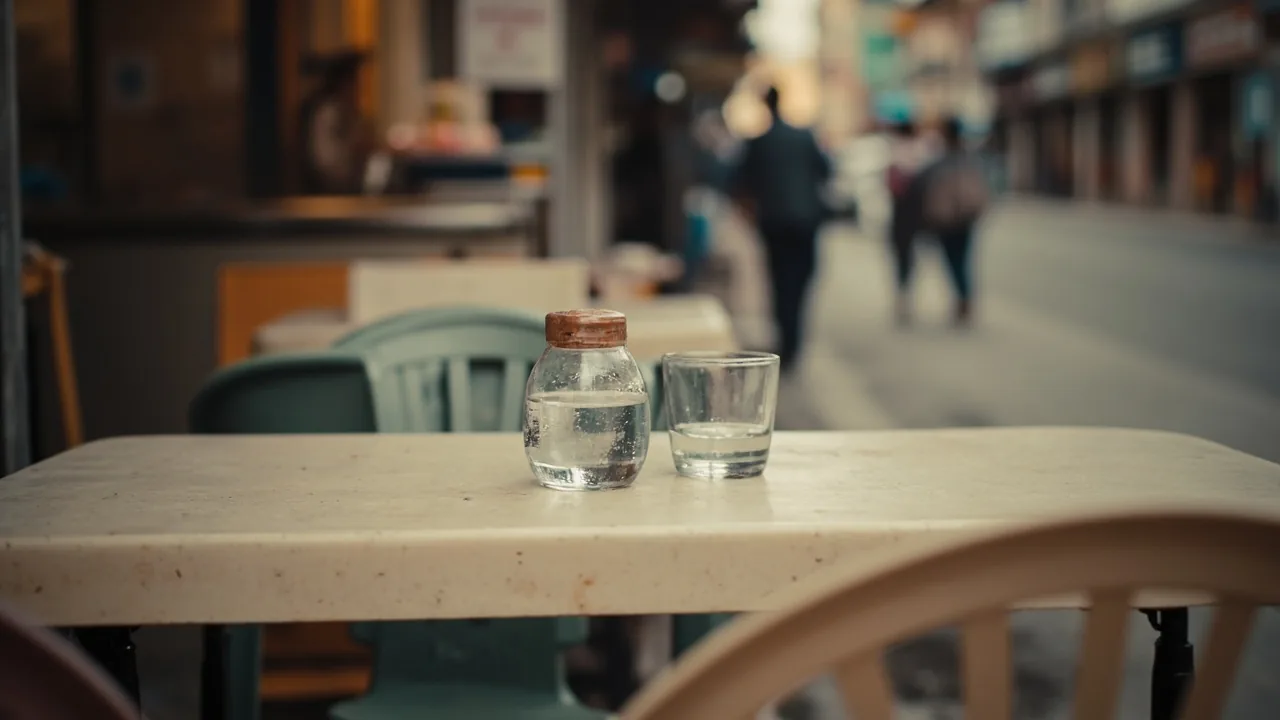
Drinking Water & Food Safety in Southeast Asia: A City-by-City Guide
Let’s settle this once and at the top: no, you cannot drink the tap water in Vietnam. You cannot drink it in Thailand, Laos, or Cambodia either. That is the single answer to almost every “can you drink water in Vietnam” search, and it is also true in Hanoi, Ho Chi Minh City, Bangkok, Vientiane, and Phnom Penh. The good news is that once you accept that rule, the rest of Southeast Asia becomes dramatically easier to travel, because the workaround is cheap, widely available, and takes about thirty seconds to learn. For related planning, see our guide on Sea Backpacking Hub.
This guide walks you through the city-by-city reality of tap water across the four countries on our route, plus the food safety habits that matter (and the ones that don’t, despite what every worried uncle in your WhatsApp family group will tell you).
Quick Answers
| What | Answer | Price (INR) |
|---|---|---|
| Can you drink tap water in Vietnam? | No. Not in Hanoi, not in HCMC, not in Da Nang. Boiling fixes it. | A bottle of water costs ~₹26 (~7,000 VND or ~$0.27) |
| Can you drink tap water in Thailand? | No. Bottled water is sold everywhere for ~₹20 (~7 THB or ~$0.21) per litre. | ~₹20 (~7 THB or ~$0.21) for 1.5L |
| Can you drink tap water in Laos? | No. Use bottled or filtered water, especially in Vientiane. | ~₹21 (~5,000 LAK or ~$0.22) for 1.5L |
| Can you drink tap water in Cambodia? | No. Even locals drink bottled or filtered. | ~₹83 (~3,500 KHR or ~$0.86) for 1.5L |
| What if I accidentally drink tap water? | Travellers report a few hours of stomach upset, occasionally traveller’s diarrhoea. | ORS sachets ~₹29 (~10 THB or ~$0.30) |
The Real Risks: Ranked by Likelihood
The mistakes that send Indians to a clinic in Southeast Asia, in order from “happens all the time” to “never”:
| Risk | Likelihood | Impact | How to Avoid |
|---|---|---|---|
| Street food + questionable ice | High | Low. Moderate | Eat at busy stalls, avoid ice from unknown sources, look at turnover |
| Tap water (unfiltered, unboiled) | High | Low. Moderate | Bottled, boiled, or filtered (LifeStraw, SteriPen, Grayl) only |
| Raw vegetables washed in tap water | High | Low | Stick to cooked vegetables; peel your own fruit |
| Dengue fever | Moderate | High | DEET repellent daily, especially at dusk |
| Severe food poisoning (Salmonella, Typhoid) | Low. Moderate | High | Vaccination (Typhoid) + same street-food rules + carry Metrogyl |
| Hepatitis A | Low | High | Vaccination before departure, covered in standard travel clinics |
| Cholera | Low | Severe | Vaccine is optional; rare for short-stay travellers |
The pattern here matters. The first three rows are routine stuff. They will happen to most travellers at least once on a long trip, and most of the time the body sorts itself out in 24–48 hours. The bottom four rows are the ones where preparation before leaving India makes the actual difference.
For a deeper look at dengue, rabies, and the vaccinations you need from an Indian clinic, see our Thailand health risks guide.
Tap Water by Country: What the Locals Do
Vietnam
Vietnamese cities pipe water from rivers and treatment plants, but the distribution pipes in older neighbourhoods (think Hanoi Old Quarter and District 4 in HCMC) are often corroded, cracked, or illegally tapped. The Ministry of Construction publishes compliance numbers around 90–95%, but on a city block level, especially during heavy rain, that number drops. Boiling for 3–5 minutes kills bacteria, parasites, and most viruses, so if you have a kettle in your hostel, you are fine. Most hostels and hotels sell bottled water at reception for ~₹26-₹37 (~7,000-10,000 VND or ~$0.27-$0.38) per 1.5L, and corner shops have it even cheaper.
Hotel tap water, including in 3- and 4-star places, is not reliably drinkable either. The “can you drink tap water in Vietnam hotels” answer is the same as the street: no.
If you want a full city breakdown (Hanoi vs HCMC vs Da Nang vs the Mekong), see our dedicated Vietnam cities tap water guide.
Thailand
Thailand’s water treatment is better than Vietnam’s on paper, but Bangkok’s pipes are old, and outside major cities the situation gets patchy. Locals drink bottled water or use a household filter. The 7-Eleven bottle of 1.5L runs ~₹20-₹29 (~7-10 THB or ~$0.21-$0.30). Even branded “purified” refills in temples and hostels should be checked, since travellers report some dispensers that were refilled from a tap. Look for a sealed cap or a factory seal.
Laos
Vientiane and Luang Prabang both have municipal water plants, but the distribution in Vientiane is uneven, and outside the city centre you are getting well or river water with some chlorine. Stick to bottled (~5,000 LAK per 1.5L) or boiled. Most hostels provide boiled water in a shared dispenser.
Cambodia
Phnom Penh and Siem Reap both have government-treated water, but the distribution networks are leaky in a literal sense. Bottled water is everywhere for ~₹83 (~3,500 KHR or ~$0.86) per 1.5L. For more on Cambodia’s broader medical situation, our Cambodia hospitals and pharmacies guide is worth reading.
What Happens If You Drink the Water
Let me be specific, because “what happens if you drink water in Vietnam” is one of the highest-volume versions of this question, and the answer is mostly reassuring:
- One accidental sip on day one: Probably nothing. Your stomach acid handles a small inoculum of foreign bacteria without you noticing.
- A glassful over a couple of days: Travellers report loose motions, cramps, sometimes nausea. This is traveller’s diarrhoea in its mild form. Resolution within 24–48 hours for most people.
- A week of unfiltered brushing teeth + ice + raw salads: Now you are looking at proper traveller’s diarrhoea, possibly with a low-grade fever. Loperamide (Imodium) + ORS handles 90% of these. A clinic visit is warranted if there is blood in stool, persistent fever above 39°C, or inability to keep fluids down.
- Contaminated water from a sewage event or monsoon flooding: This is where Typhoid or Hepatitis A shows up. Vaccination before travel is the only real defence.
Subodh’s Pro Tip: Boiling is the most reliable single thing you can do. Carry a small immersion heater (~150 THB at Lazada or any Thai shopping mall) and you can boil water in your hostel mug. Three minutes of a rolling boil is enough to kill everything in Vietnam’s tap water that would hurt you.
Ice and Food: The Stuff That Matters
You will hear travellers say “avoid ice in Southeast Asia” for the rest of your life. Half of that advice is now outdated. Industrial ice, the kind sold to bars, restaurants, and street stalls from a proper ice factory, is made from treated water. It is generally safe in Thailand, Vietnam’s main cities, Cambodia’s cities, and tourist areas of Laos. What is not safe is the small hand-cranked ice block that some rural stalls and family-run places still use. Rule of thumb: if the ice is a clear, hollow cylinder with a hole in the middle, it is factory ice and fine. If it is opaque, irregular, or chipped off a cloudy block, skip that drink.
Street food itself is generally safer than people think, for a counterintuitive reason: turnover is high and the cooking is fresh. The stalls that make you sick are the ones with low turnover, where the same oil has been sitting since morning, or where the food has been sitting out unrefrigerated for hours. Eat where the queue is. Skip the empty place with the bored-looking cook.
To brush your teeth, either use bottled water or boiled water. The small amounts swallowed during brushing are not enough to matter for most travellers, but for the first week in Vietnam or Cambodia, err on the side of bottled water to be safe.
For Cambodia specifically, where street food rules and dry-season hygiene differ, our what not to eat in Cambodia guide goes deeper.
Filter and Purification Options
Bottled water works, but if you are going to be on the road for weeks and you care about plastic waste, here is the calculus:
| Option | Cost (INR) | Notes |
|---|---|---|
| Bottled water (~1.5L/day) | ~₹20-₹25 (~$0.21-$0.26) per day | Easiest, most wasteful |
| LifeStraw Personal (~₹1,500) | One-time | Strips bacteria + parasites, not viruses. Fine for Vietnam, Thailand, Laos, Cambodia. |
| Grayl GeoPress (~₹6,000) | One-time | Removes bacteria, parasites, viruses. Best in class for backpackers. |
| SteriPen UV (~₹5,000) | One-time | UV kills bacteria and viruses, but needs pre-filtered clear water to work |
| Boiling (immersion heater ~₹400 (~$4.15)) | One-time + ~₹2 (~$0.02) per boil | Most reliable, slowest, fine for hostel life |
At current rates (1 USD = ₹96.5289), the one-time gear costs above translate to roughly ₹1,445 (~15 USD), ₹5,780 (~60 USD), ₹4,817 (~50 USD), and ₹385 (~4 USD) respectively. Note that life on the road favours either Grayl or boiling; LifeStraw alone misses viruses, and SteriPen needs clear water.
Prevention Before You Fly
- Hepatitis A vaccine. Two doses, the second six months after the first. The first dose alone covers most short trips.
- Typhoid vaccine. Single shot, lasts three years. Recommended if you are doing more than two months on the street, especially in Cambodia or rural Vietnam.
- Hepatitis B vaccine. Three-dose series. Worth doing once in your adult life.
- Dengue prophylaxis. No vaccine yet for the general traveller in India. Carry a DEET-based repellent (Odomos is the Indian brand that works; refill abroad for ~₹229 (~80 THB or ~$2.37)).
- ORS sachets. Buy a strip from any Indian pharmacy. Costs ₹15-₹20 (~$0.16-$0.21) for five. Also pack a strip of Loperamide (India: Loperamide 2mg, ~₹10 (~$0.10)).
- Metronidazole (Metrogyl 400). Get a prescription from your Indian GP before flying. Travellers report it is the most useful single antibiotic to carry for traveller’s diarrhoea, especially if there is a blood-in-stool component.
- Travel insurance. This is the system-prompt-mandated primary CTA for this cluster, and for good reason: a dengue hospitalisation in Bangkok or a scooter accident in Da Nang can run into five figures in USD. Do not travel Southeast Asia without it. Get SafetyWing insurance covers Indian travellers from ~$62/month (~₹5,900) and works across all four countries on this route.
Getting Sick: What the First 24 Hours Look Like
If traveller’s diarrhoea hits (and it probably will at least once), this is the sequence that sorts 90% of cases:
- Hour 0–2: Loperamide 2mg (one capsule, repeat after every loose motion, max 8mg/day). This is the “I still have a bus to catch” tablet.
- Hour 0–24: ORS sachets, one in 200ml of bottled or boiled water after every loose motion. You are not aiming to stop the diarrhoea. You are aiming to replace what is leaving.
- Hour 24: if no improvement, start Metrogyl 400mg three times a day. If you see blood in stool, skip this and go to a clinic.
- Hour 48: if you are not improving on Metrogyl, get to a hospital. The Indian embassy in the relevant country can usually point you to a clinic that handles English/Indian dietary concerns.
Emergency medical context for the four countries is covered in our Thailand emergency medical care guide, Vietnam emergency medical help, and the Cambodia hospital piece linked above.
Indian Embassies (Emergency)
Save these before you fly. They can be slow on weekends, but for a real emergency (lost passport, hospital admission, arrest), they are the right call.
| Country | City | Phone |
|---|---|---|
| Thailand | Bangkok | +66 2 261 1744 / +66 2 670 2400 |
| Thailand (Khuree) | Chiang Mai | +66 53 280 700 |
| Vietnam | Hanoi | +84 24 3852 4987 |
| Vietnam | Ho Chi Minh City | +84 28 3822 7381 |
| Laos | Vientiane | +856 21 413 266 / +856 21 413 267 |
| Cambodia | Phnom Penh | +855 23 210 882 / +855 23 218 323 |
For a fuller directory with after-hours numbers, our Thailand Indian Embassy helpline guide covers the ones Thai backpackers use most.
Getting Connected
You will want data the moment you feel that first stomach cramp, both for maps to the nearest pharmacy and for ambulance numbers. A physical SIM (AIS or dtac in Thailand, Viettel or Mobifone in Vietnam, Unitel in Laos, Smart or Cellcard in Cambodia) at the airport is the cheapest reliable option. Tourist eSIMs work too, and one place to buy them is Get Nomad eSIM. Pick whichever works with your phone; data is non-negotiable.
Specific Scams to Know
Most food and water “scams” are not scams, but travellers report a few worth flagging:
- The “free” refill scam: A street vendor offers to refill your bottle from their cooler. Travellers report some of these coolers are just tap water with a logo sticker. Stick to factory-sealed bottles.
- Bottled water with a fake seal: In low-trust stalls, travellers have reported bottles that were filled from a tap and heat-sealed by hand. Check that the cap has a tamper-evident ring and that the label looks factory-printed, not photocopied.
- The “mineral water” that isn’t: In Cambodia especially, some roadside shops sell bottles labelled mineral water that have been refilled. The brand name + intact seal matters; the price matters; the label alone does not.
Frequently Asked Questions
Do I need a yellow fever vaccine for Southeast Asia? No. Yellow fever is not present in Thailand, Vietnam, Laos, or Cambodia. The vaccine is only required if you are arriving from a yellow fever endemic country (most of sub-Saharan Africa, parts of South America). Indian travellers flying direct from India do not need it.
Is tap water safe to drink in Vietnam if I boil it? Yes. Three minutes of rolling boil kills bacteria, parasites, and viruses in Vietnamese tap water. Boiled water is safe. This is the cheapest reliable option if you have a kettle, electric immersion heater, or gas stove.
What happens if I drink tap water in Vietnam by accident? For a small accidental sip, probably nothing. For a glass, traveller’s diarrhoea (loose motions, cramps) usually begins within 6–24 hours and resolves on its own within 48 hours. Carry ORS and Loperamide to manage symptoms.
Can I brush my teeth with tap water in Vietnam? Travellers split on this one. The small amount swallowed during brushing is rarely enough to cause diarrhoea by itself, but for the first week, use bottled or boiled water for brushing. After a few days, many switch to tap water for brushing with no problems.
Is bottled water safe everywhere? Yes, as long as the bottle has a factory-sealed cap with a tamper-evident ring. Avoid any bottle that has been refilled or that has a loose, broken, or photocopied-looking label.
How much water should I budget per day in Southeast Asia? For a backpacker: 2–3 litres of drinking water per day, plus water for brushing. At local prices (~7 THB, ~7,000 VND, ~5,000 LAK, ~3,500 KHR per 1.5L), that works out to under ₹150/day.
What about fountain or filtered water dispensers in hostels? Most reputable hostels run their dispensers from boiled or properly filtered water. If the dispenser is well-maintained, sealed, and branded (Sawyer filter, Berkey, etc.), it is fine. If it is a generic cooler with a hand-tap and no filter documentation, treat it the same as tap water.
Subodh’s Take
Ninety percent of “Delhi belly” stories I hear are preventable with three habits: factory-sealed bottles only, hot food from busy stalls, and ORS at the first sign of trouble. The other ten percent is just bad luck that would have hit you in Mumbai too. Don’t let anyone scare you out of the street food. Banh mi for breakfast and pad krapow for dinner is the whole reason you flew to this region. Bottle your water, carry ORS, get your Hep A shot, and enjoy the trip.
